Autumn Stillness & Flow: A Vinyasa Krama Immersion with Katerina Rojkova
The term Vinyasa carries many layers of meaning. In this context, it represents impermanence and the constant flux of the physical Self, while Krama denotes the sequential stages or layers of consciousness. The system of Vinyasa Krama was originally taught by T. Krishnamacharya, who later evolved these principles into the personalized approach of Viniyoga. Drawing from these traditional foundations and other classical manuals, Matthew Sweeney developed his own system: Vinyasa Krama Mandiram. As a lifelong practitioner of Ashtanga Vinyasa, Matthew’s deep study and observation of his students led him to create this fluid and profound yoga therapy system tailored for the individual.
I first encountered his sequences during my own dedicated practice of the Ashtanga Vinyasa Primary, Intermediate, and Advanced A series. Despite my love for the practice, I often struggled with physical discomfort—at times, it felt like an uneasy push toward performance rather than a path to healing. In 2014, I was introduced to Chandra Krama (The Moon Sequence), and subsequently to Matthew’s other sequences. They didn’t just support my Ashtanga practice; they fundamentally shifted my perspective on daily asana and breathwork.
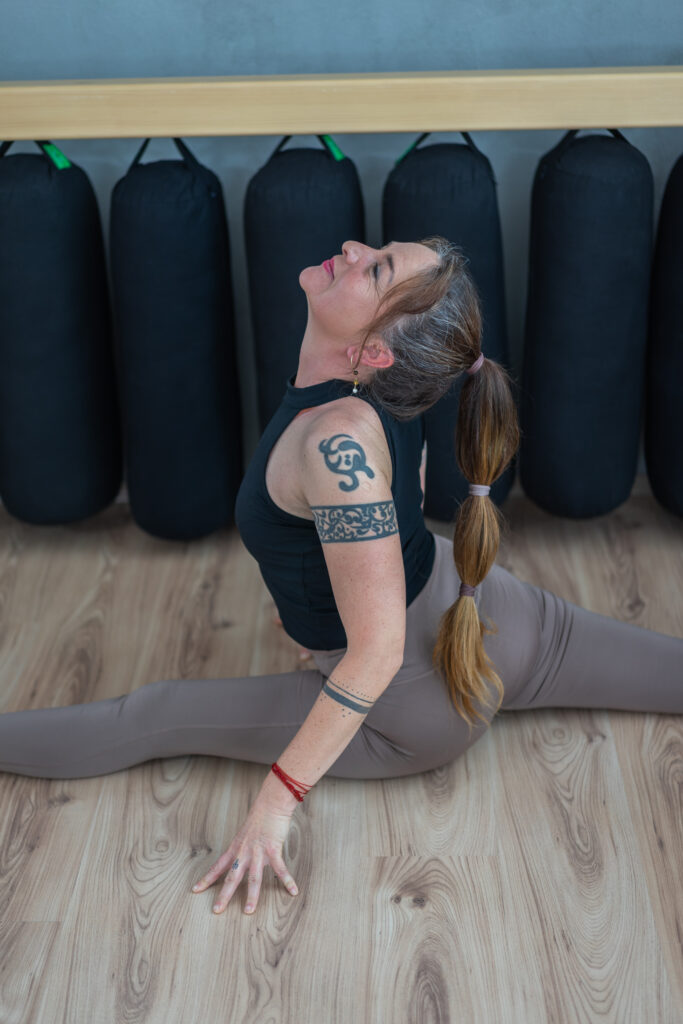
Chandra Krama taught me to cool down and surrender the need for effort. I learned to stop pushing and instead embrace a quiet, deep breath, working in harmony with gravity. It possesses a meditative, introspective quality that opened the doors to true Awareness. Through this practice, my hips found new space and my backbends became effortless. It is a supportive practice—not necessarily meant for every day, but one that perfectly balances more dynamic or power-based routines, toning the nervous system and leading the mind into a serene state of consciousness.
While Chandra Krama is intuitive, grounding, and focused on releasing tension, Atapa Krama (The Sunshine Sequence) brings heat, discipline, and physical lightness into the daily practice. It balances the hips and builds a focused, resilient strength.
The Practice includes:
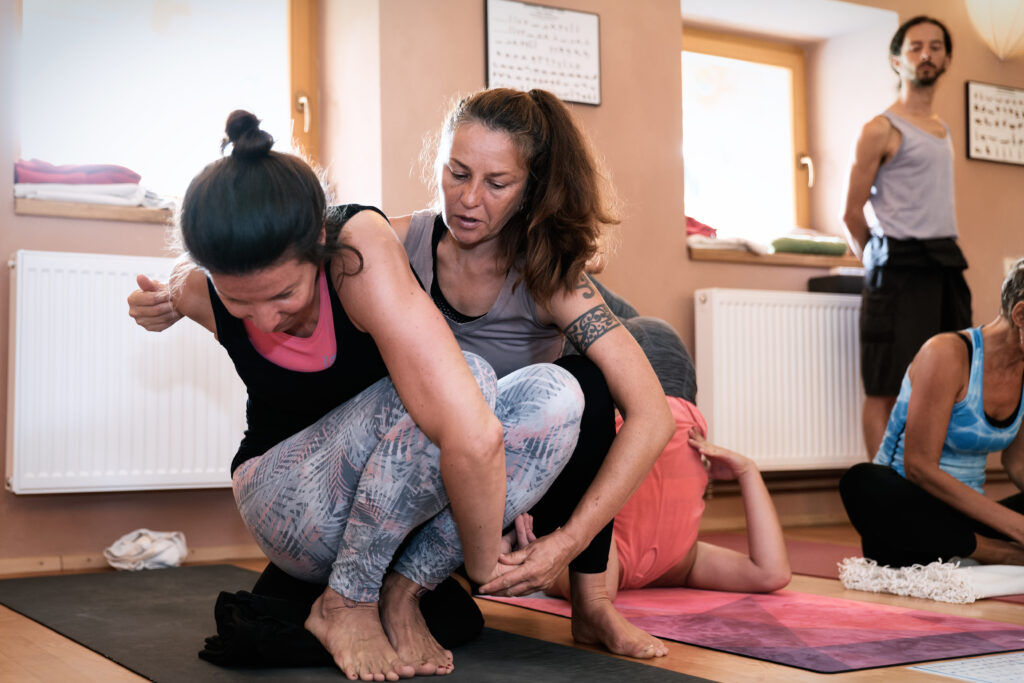
- 4 morning Led Classes:A deep dive into Chandra and Atapa Krama.
- 1 morning Self-Practice Session:To integrate your own rhythm.
- 5 Morning Sessions:Focused on simple Pranayama techniques and silent Meditation.
- 2 Evening Sessions:Dedicated to Sound Healing and Yin Yoga.
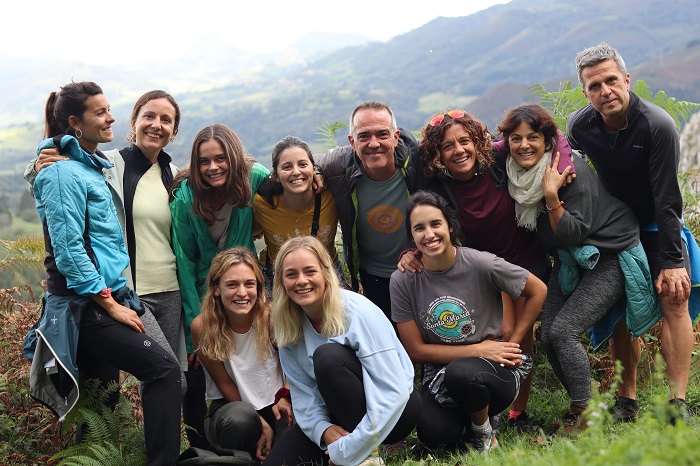
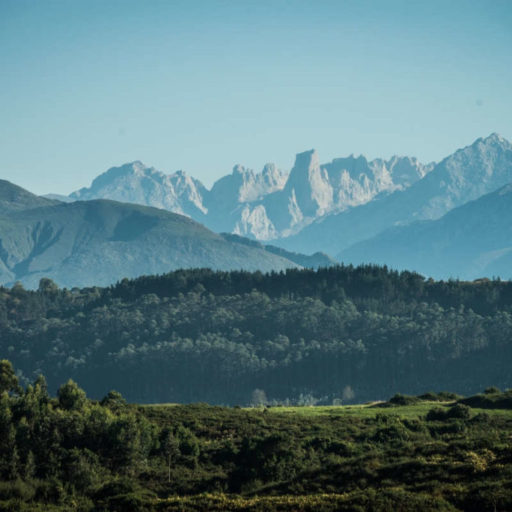
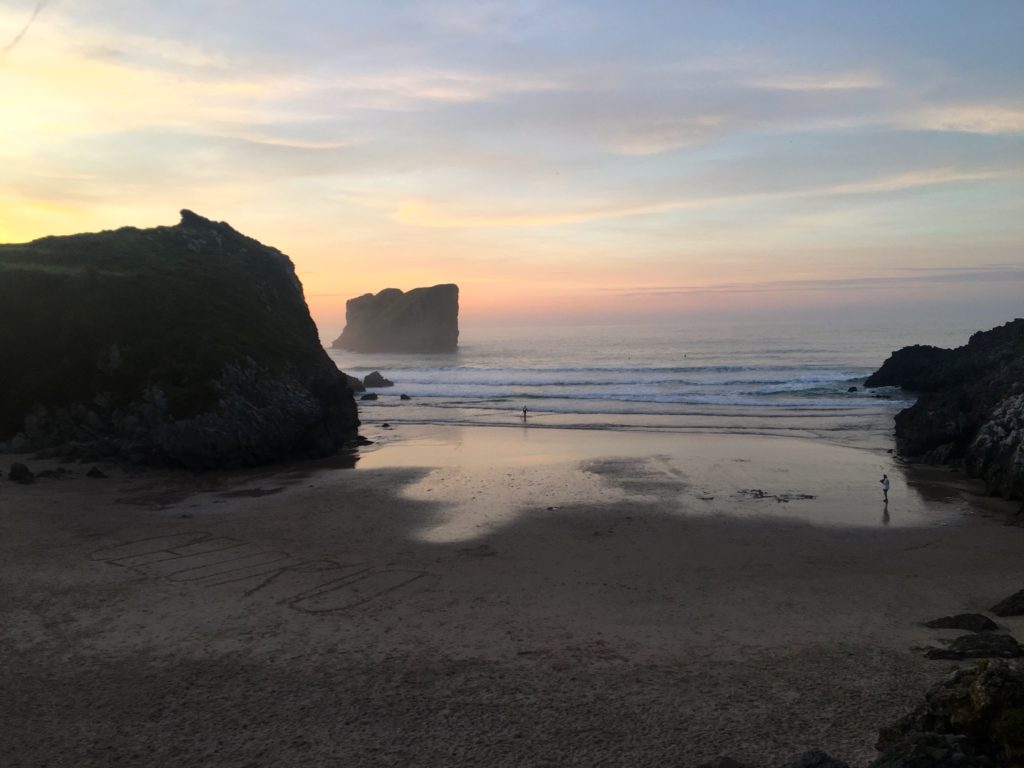
Besides yoga, eacxh afternoon there will be an excursion with Simon, the resident mountain guide. Depending on the weather, we may go on a moutain walk, to a waterfall pool, to a cave or to the beach. One thing for sure is that we will be going off the beaten track!
Investment: 6 days/5 nights
- Retreat (without accommodation): 600 EUR
- Retreat+Shared Double Room: 785 EUR
- Retreat+Private Bell Tent: 845 EUR
- Retreat+Private Room: 955 EUR
- Retreat+Private Cabin: 1,060 EUR
Food at Asturias Yoga
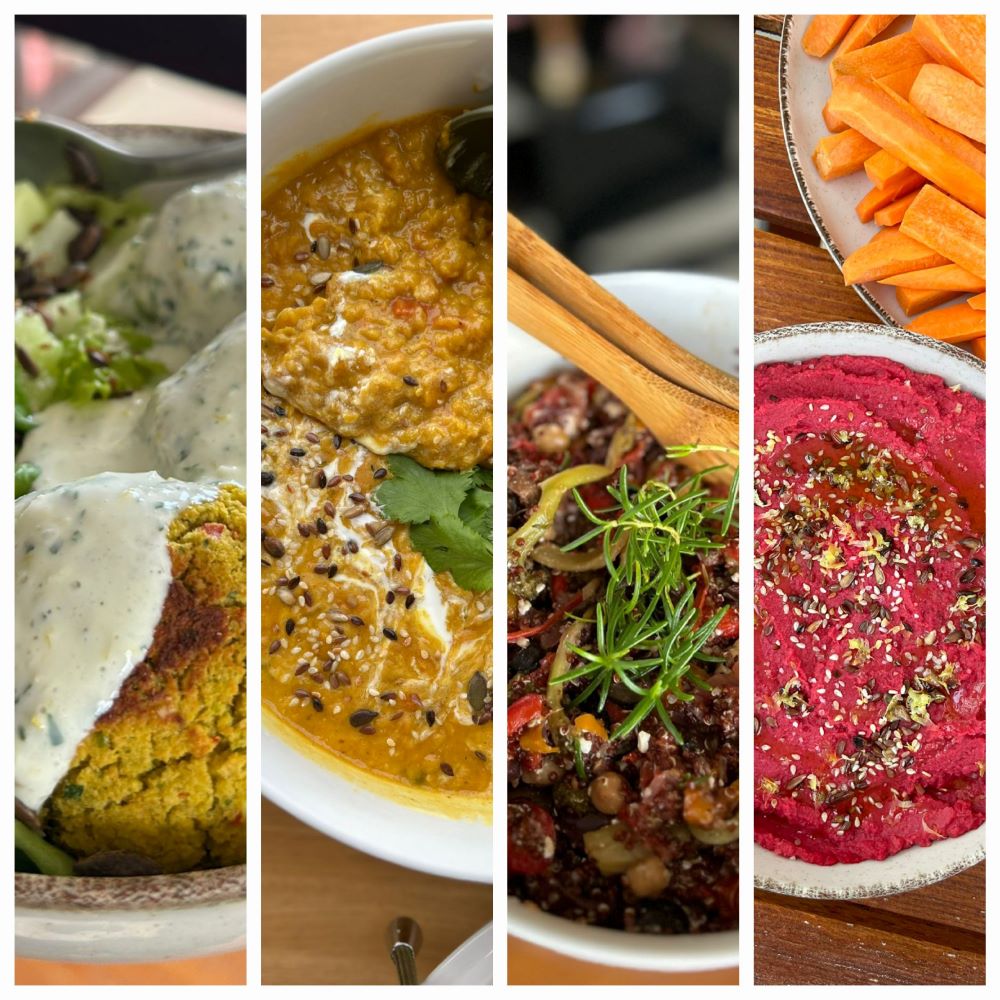
We provide 2 vegetarian meals per day — large brunch and dinner — along with a snack in the afternoon.. We do our best to source our vegetables locally according to the season, use primarily organic and vegan ingredients, and provide many home-made specialties, such as sourdough breads, spicy chai, nettle pesto, mountain spring water, fresh herbs for infusions, and marmelades from our fruit trees. Meals are designed for a nutritionally balanced diet, with foods that are easy to digest, grow in a sustainable way and full of vitality.
If you are someone who traditionally has a large appetite or prefers multiple snacks throughout the day, you may also bring your own food/snacks to supplement. The closest large supermarkets are in Cangas de Onis or Posada, both approximately 20km away. There are various smaller shops nearby in Benia (2km from the yoga center) and at the “Campsite Picos de Europa” (1km down hill from the yoga center).
For more info contact Simon
simon@asturiasyoga.com
+34 645422689